Concrete crazing in Richmond Hill appears as a network of very fine cracks across the surface. The pattern may resemble irregular shapes or a dry riverbed. These cracks are usually shallow, but they can make otherwise solid concrete look damaged.
Crazing is different from a deep crack that passes through the slab. A professional assessment can determine whether the condition is cosmetic or connected to another problem.
What Causes Concrete Crazing?
Crazing often develops when the concrete surface dries faster than the material underneath. Finishing and curing conditions can affect this process.
Adding excessive water at the surface may also weaken the top layer. Environmental conditions such as heat, wind, or low humidity can increase rapid moisture loss during installation.
The fine cracks may not become visible immediately. Sometimes they appear more clearly after the concrete becomes wet or begins collecting dirt.
Is Crazing the Same as Structural Cracking?
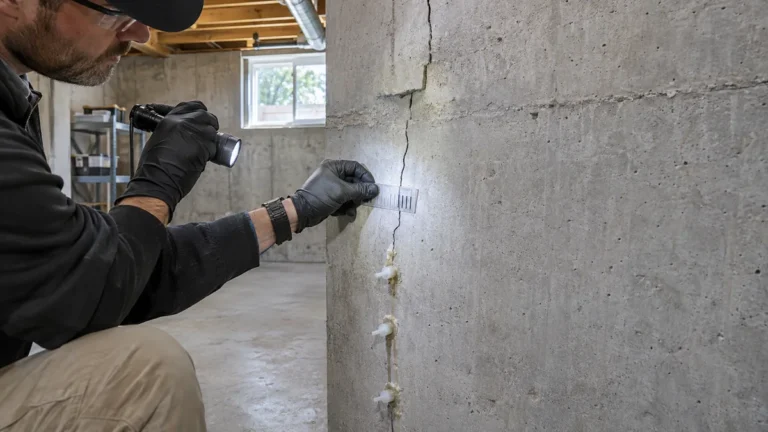
Crazing typically affects the surface and creates many small cracks. Structural or movement cracks are often wider, deeper, and more clearly defined.
A crack with vertical displacement requires particular attention. One side may sit higher than the other, creating an uneven walking surface.
Movement, settlement, freeze-thaw damage, and reinforcement corrosion can produce different crack patterns. Therefore, the appearance alone should not determine the repair.
Repairing Concrete Crazing in Richmond Hill
Light crazing may not require structural repair when the concrete remains stable. Cleaning and a suitable protective treatment may improve its appearance and help reduce moisture entry.
More noticeable surface deterioration may justify professional resurfacing. However, a coating should not be installed over loose, delaminated, or actively moving concrete.
BAKR Masonry provides concrete repair and resurfacing in Richmond Hill. We inspect the cracks, surface strength, drainage, previous coatings, and surrounding conditions before recommending a solution.
When Should the Concrete Be Replaced?
Replacement may be more appropriate when the slab has extensive movement, severe scaling, deep cracks, or widespread separation. Repairing only the visible surface would not correct these underlying conditions.
The project’s location and structural role also matter. A decorative patio has different requirements from a structural balcony or building component.
Richmond Hill accepts permit applications for projects that include facade, balcony, and other building repairs. Property owners can review the City’s building permit information before beginning significant work.
Call BAKR Masonry at 437-727-4797 or email info@bakrmasonry.com to arrange a concrete assessment.