Brick, block, and stone are built to last, but they are not maintenance-free. Weather, moisture, freeze-thaw cycles, soil movement, and age can all weaken masonry over time. What starts as a small crack or loose joint can eventually lead to water penetration, shifting materials, and more expensive repairs.
For homeowners, the key is knowing which signs are cosmetic and which signs may point to a deeper problem. If you catch masonry damage early, repairs are usually more manageable, cleaner, and less disruptive.
Cracked or Missing Mortar
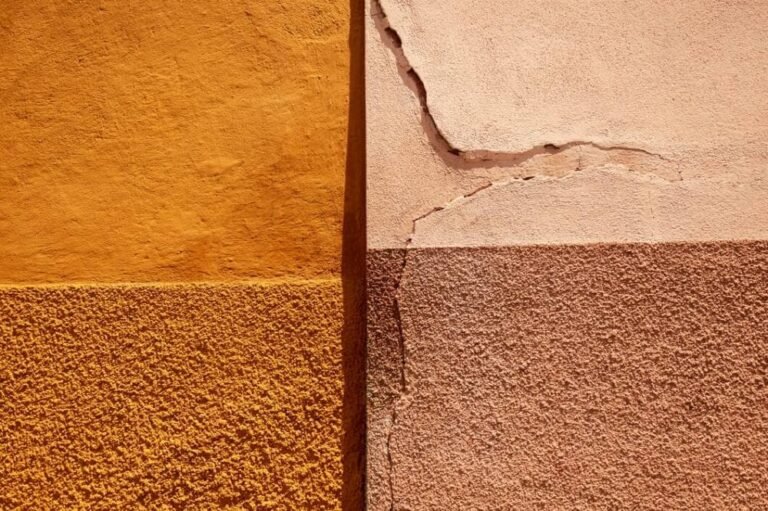
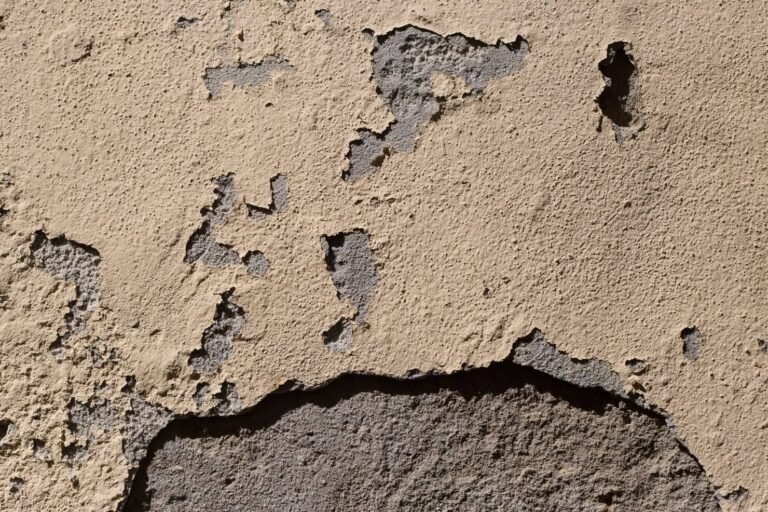
Mortar joints hold masonry units together and help keep water out. When mortar begins to crack, crumble, or fall away, the wall becomes more vulnerable to moisture. This is especially common around chimneys, porch columns, steps, foundation walls, and older brickwork.
Damaged mortar should not be ignored. Once water enters the joints, it can expand during cold weather and break the surrounding brick or stone. Tuckpointing replaces deteriorated mortar with fresh material, restoring strength and improving the look of the masonry.
Loose Bricks, Blocks, or Stones
Loose masonry is a clear warning sign. A brick, block, or stone may become loose because the mortar has failed, water has collected behind the surface, or the base has shifted. Even one loose unit can allow more movement around it.
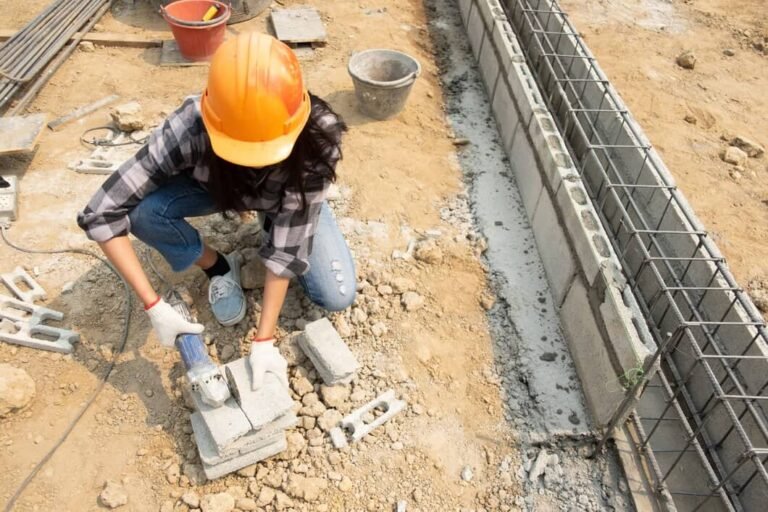
Professional brick, block, and stone repair involves more than pushing the piece back into place. The damaged area needs to be cleaned, reset, and properly bonded so the repair blends with the surrounding structure and performs over time.
Bulging, Bowing, or Separating Walls
If a wall appears to bow outward, lean, or separate from nearby surfaces, it may be under pressure. This can happen with retaining walls, foundation walls, basement walkouts, and exterior masonry exposed to drainage problems.
Bulging masonry should be inspected as soon as possible. It can signal trapped water, soil pressure, failing ties, or structural movement. A professional can determine whether repair, rebuilding, drainage improvement, or reinforcement is needed.
White Staining on Brick or Stone
White powdery staining, known as efflorescence, is caused by moisture carrying minerals to the surface. The stain itself may be removable, but the moisture source should be addressed. If the wall keeps getting wet, the masonry may continue to deteriorate.
Efflorescence is often seen on brick walls, chimneys, foundation parging, and stone veneer. A masonry contractor can inspect the wall, identify likely moisture paths, and recommend the right repair.
Cracks Around Windows, Steps, and Foundations
Cracks near window sills, porch steps, corners, and foundation areas can be more than surface damage. These areas are common stress points. Water can also collect there, causing mortar and masonry units to break down faster.
Window sill repair, cracked foundation repair, foundation parging, and step repair are common masonry services that help stop minor issues from spreading.
Why Early Masonry Repair Matters
Masonry damage rarely improves on its own. Once water gets into cracks, the damage can spread through the wall system. Early repairs protect your home from moisture, reduce the chance of structural concerns, and restore curb appeal.
Timely masonry repair can also help preserve original materials. Instead of replacing a larger section later, a contractor may be able to repair only the damaged area now.
Work With a Masonry Repair Professional
Brick, block, and stone repair requires the right materials, proper joint preparation, and attention to how the repair will handle weather. Poor repairs can fail quickly or stand out against the existing masonry.
BAKR Masonry provides professional masonry repair services for homeowners who want durable work, clean finishes, and honest guidance. Whether you are dealing with cracked mortar, loose stone, damaged brick, foundation parging, or exterior masonry repairs, a proper inspection is the best place to start.
Call BAKR Masonry to schedule masonry repair and protect your home before small damage becomes a larger project.